The Health Systems and Population Health Master of Public Health and Master of Science programs are pleased to introduce the 2025-2026 student ambassador cohort.
This year’s exceptional group includes seven students from the HSPop MPH program and one from the HSPop MS program. They represent a range of public health focus areas and professional backgrounds. Collectively, this year’s ambassadors bring experience from emergency medicine, clinical care, health policy, disability advocacy, global and Indigenous health, community-based research, as well as health services and outcomes research.
Student ambassadors play a vital role for prospective students. Through sharing their unique stories, they offer a peer perspective on what it’s like to be enrolled in these programs.
Before reaching out to student ambassadors, applicants should learn about the programs. The HSPop MPH and HSPop MS web pages, and virtual information sessions, cover the essential details. These include program structure, curriculum, funding, careers, the application, and eligibility. For follow-up questions on these subjects, admissions staff are available to answer questions over email or virtual advising.
Complimenting these resources, student ambassadors offer candid, first-hand perspectives on topics like student life, program culture, and managing courseload.
HSPop MPH Generalist Track Ambassadors
Anusha Sulladmath
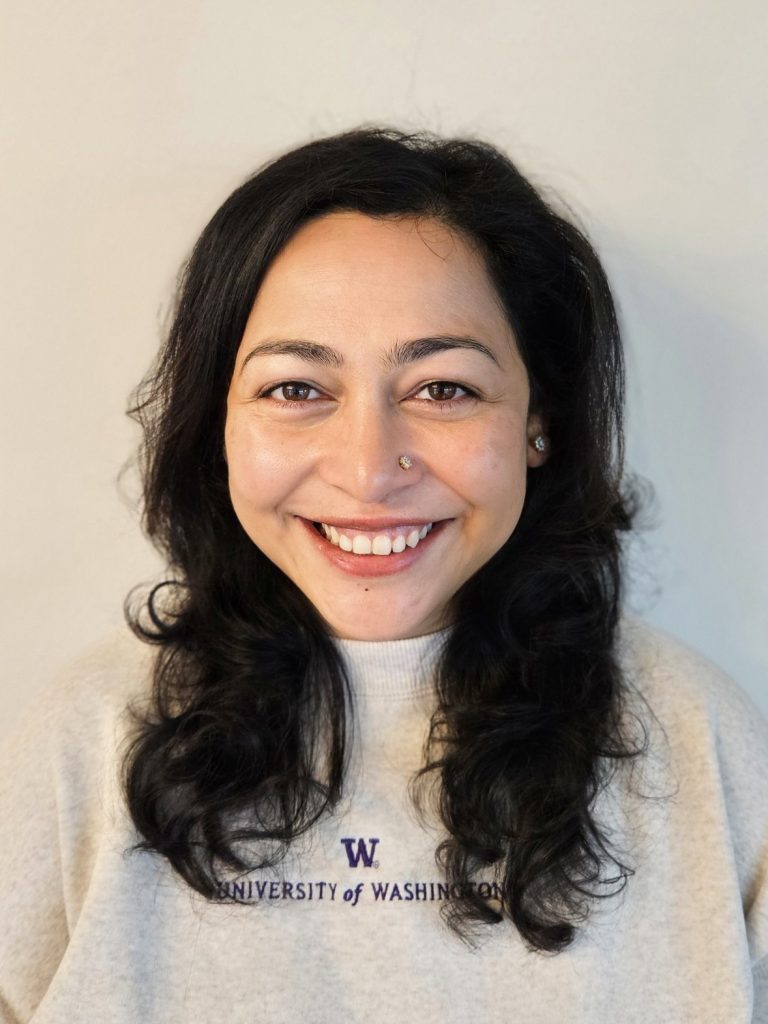
I’m originally from Bangalore, India, and moved to Texas during high school before settling in Seattle, which has been home for the past 12 years. I have a bachelor’s degree in psychology and nine years of experience working in emergency and community medicine. My passion lies in creating safe, inclusive spaces where vulnerable populations can access the care and support they need. As the Clinic Coordinator at the Orion Clinic, I helped run a program that provides primary care to young adults who are unstably housed in King County. I also serve as President of the Board for Guatemala Village Health, where I help design and launch programs to improve maternal and child health, chronic disease education, and public health infrastructure in rural Mayan communities.
I care deeply about equitable access to healthcare and tackling the social factors that shape health, like access to nutritious food, clean water, and preventive education. I chose the HSPop track because it focuses on community-based health and making lasting, system-level change. I’m also pursuing the GWACH certificate to deepen my understanding of global health systems and gender equity.
My GWACH Capstone adapts the FAO’s Dietary Diversity Score Tool to better fit the language and food habits of the Q’eqchi community in Eastern Guatemala. My HSPop Capstone builds on that work by looking at whether families in permaculture programs have greater dietary diversity. For my practicum, I’m partnering with the Community Health Plan of Washington to analyze nutrition education and food insecurity programs across community health centers in the state.
Looking ahead, I hope to pursue a Ph.D. in Implementation Science at UW and keep building a career that helps connect people and communities with the tools to live healthier, happier lives.
Contact Anusha Sulladmath: asullad@uw.edu
Eli Neal
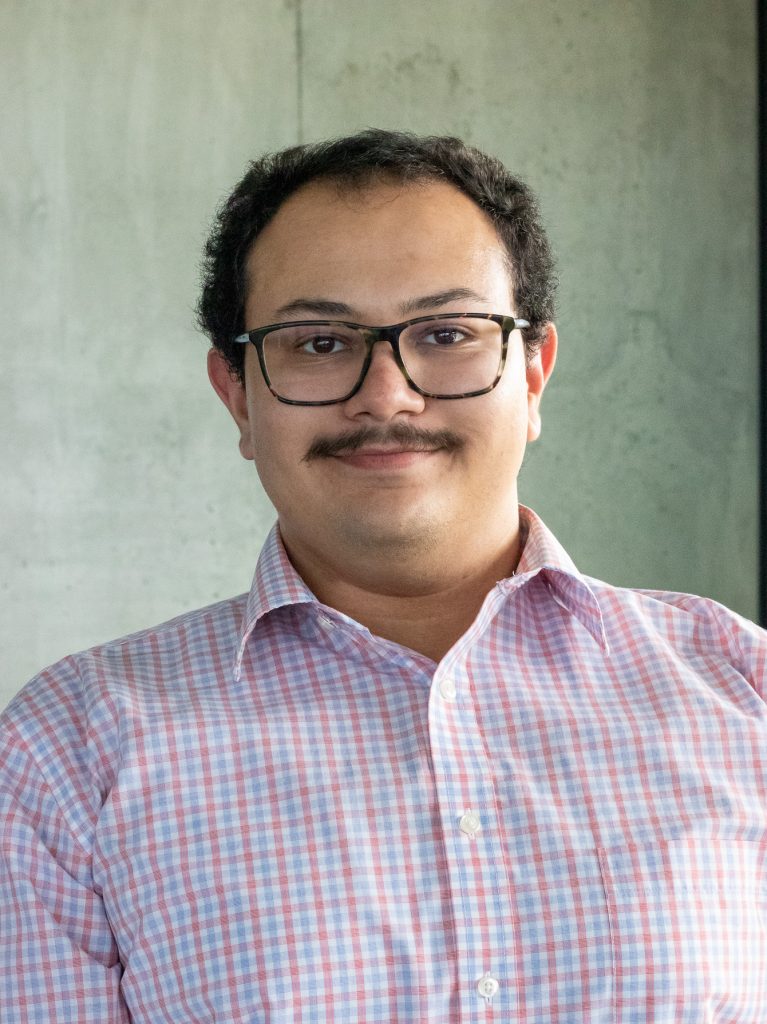
I have a BA in Russian Literature and Chemistry from Kenyon College, a liberal arts school in central Ohio. Currently, I am employed as a Research Coordinator for University of Washington Department of Emergency Medicine conducting research on out-of-hospital cardiac arrests with the Seattle Fire Department. I first became interested in public health while working as an EMT in Ohio during my undergrad. After working in a patient facing role for three and a half years, I wanted to do more from a research and quality assurance point of view to disseminate best practices within the realm of emergency medicine to improve patient outcomes and make a difference for both patients and providers.
I chose the MPH: Generalist program because it offered a diverse range of experiences and instructional opportunities within the field, as there was not a program specifically tailored to what I hoped to do. I have really appreciated the opportunity to adapt a program to my specific interests. My practicum project was with Seattle Fire Department’s Mobile Integrated Health program looking at data collection practices for the Post-Overdose Response Team. I am writing my thesis on the characteristics and outcomes of traumatic out-of-hospital cardiac arrest patients in the city of Seattle.
In the future, I hope to continue working with and conducting research for emergency medical service organizations, with a particular interest in those that serve rural communities.
Contact Eli Neal: neale2@uw.edu
HSPop MPH Health Systems and Policy Track Ambassadors
Christa Atkins
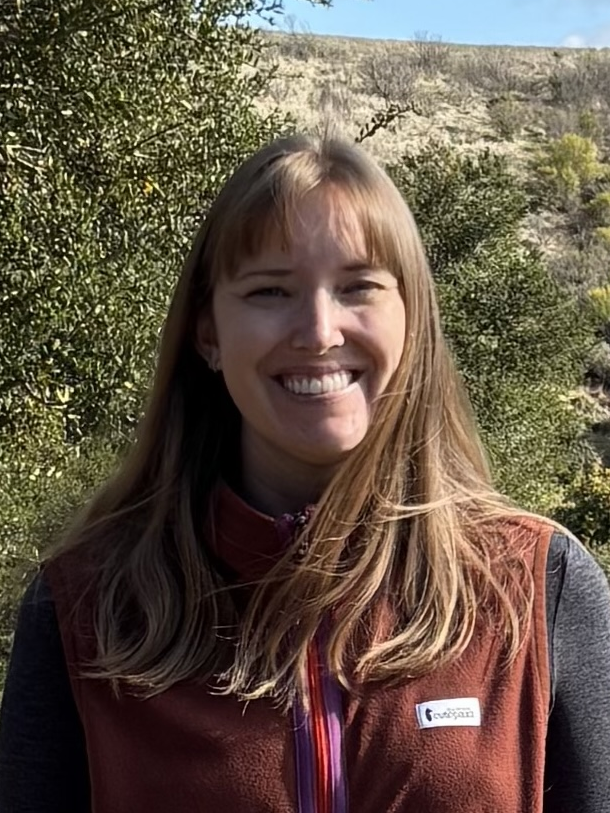
I’m originally from California and earned my bachelor’s degree in Sociology from the University of Hawai‘i at Mānoa. Prior to graduate school, I spent three years working as a medical assistant in primary care and gastroenterology. During that time, I witnessed firsthand how our healthcare system and insurance market create barriers to care and perpetuate health inequities. I also saw how social determinants of health, such as housing and income instability, directly impact health outcomes.
These experiences led me to University of Washington’s MPH program, where I am now a second-year student in the Health Systems and Policy track within the Department of Health Systems and Population Health. My training interests focus on health policy, insurance reform, and addressing the social and structural determinants of health that affect access to care.
For my practicum, I worked with Washington Physicians for Social Responsibility, developing advocacy tools that highlight the intersection of economic inequity and health. My work focused on two key issues: affordable housing and progressive taxation as levers for improving population health.
Following graduation, I hope to work within a healthcare system or the insurance market where I can contribute to creating a more accessible and equitable healthcare system!
Contact Christa Atkins: cjatkins@uw.edu
Fallon Zollars
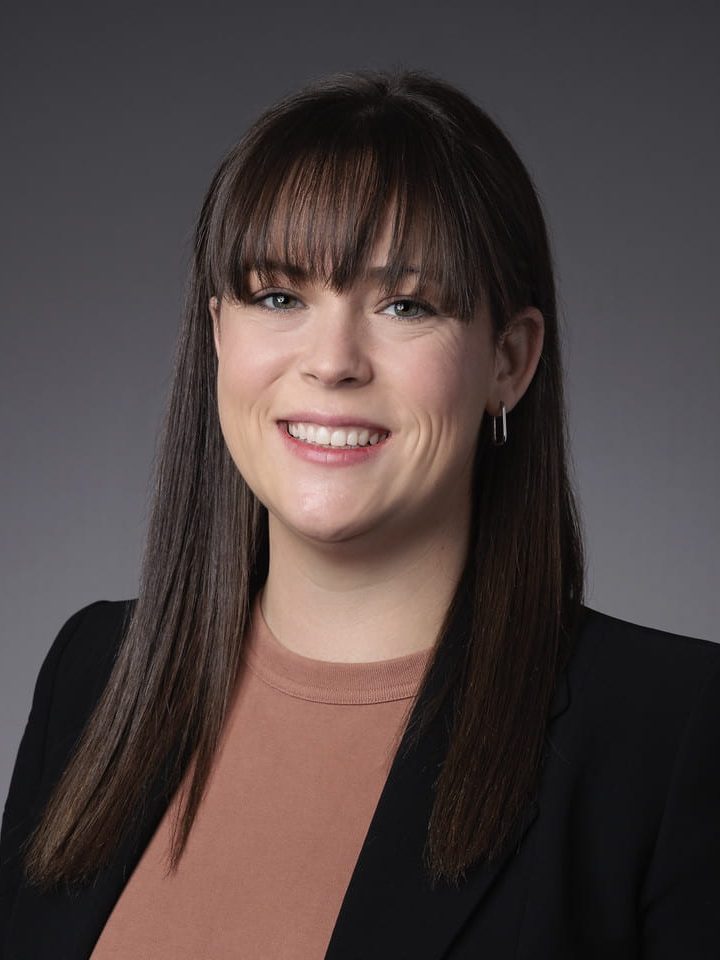
I took a long and interesting road to public health. After having my daughter in May of 2020, I went back to complete my undergraduate degree, and I found public health because I was fascinated with the ways health policy and public health impacted everyday people during the Covid-19 pandemic.
I did my undergraduate degree at UW Bothell and completed my fieldwork at the Alyssa Burnett Adult Life Center, which provides lifelong learning for adults with Intellectual and Developmental Disabilities (IDD) and Autism. There, I found a deep and genuine passion for working with the IDD population. I worked as a clinical research coordinator and am now the Program Operations Manager for an incredible program here at UW called ANeW that helps adults with Intellectual Disabilities reintegrate into their communities after being arrested.
I am passionate about developing empowering, strengths-based research, and providing person centered services for the adult disability community.
I hope to continue on to receive my PhD in Health Systems and want to do research that continues to help adults with disabilities who exist at the intersection of the criminal legal, mental health, and institutional systems.
Contact Fallon Zollars: fzollars@uw.edu
Pooja Manjunath
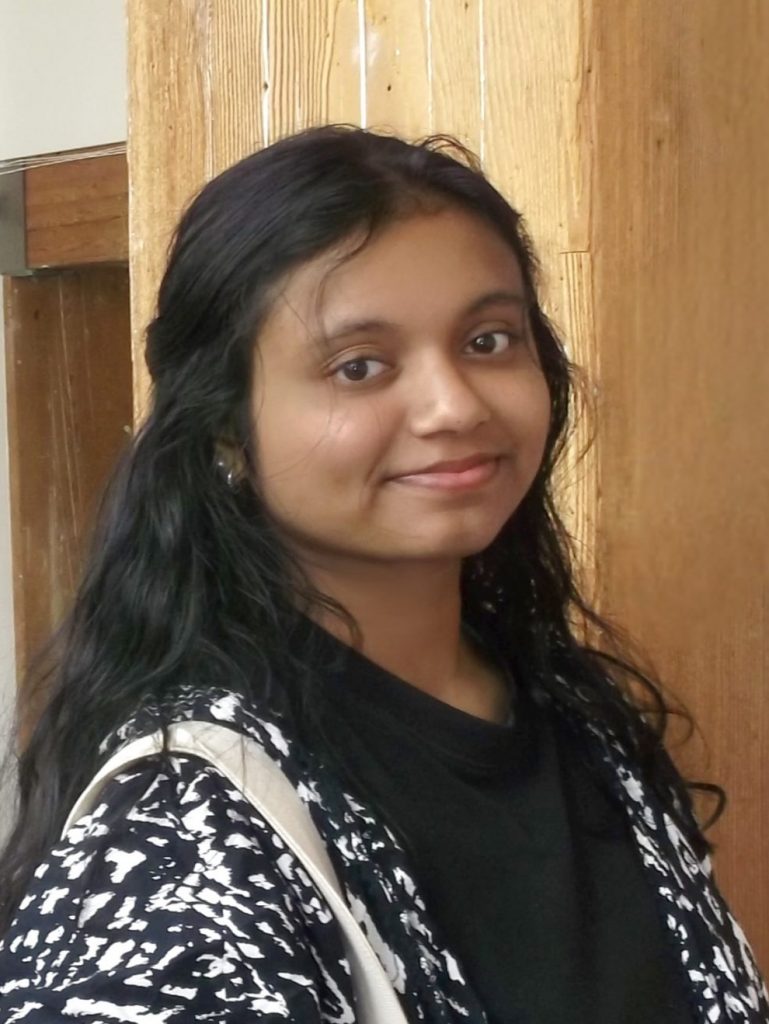
I grew up in Ontario, Canada, and graduated with a Bachelor of Science- Biology & Chemistry from Mount Royal University in Alberta, Canada.
I chose this program because of its commitment to equity-driven public health and its emphasis on interdisciplinary collaboration. My interests lie in culturally responsive interventions and frameworks, health equity, social determinants of health, Community-based Participatory Research, and inclusive policy advocacy.
For my practicum, I worked alongside the University of Washington Autism Center- Institute on Human Development and Disability. I had the opportunity to work alongside interdisciplinary scientists and researchers to identify facilitators, barriers, and gaps in Medicaid-funded resources, treatment deserts, and disparities among children (birth to age 3), as well as the need for resources to improve autism diagnosis rates in Washington. By completing a literature review and Gap Analysis, I was able to help guide actionable changes within local autism care systems. For my capstone, I will be working with the Community Health Plan of Washington (CHPW)- Immigrant and Refugee Health Alliance (IRHA) to analyze coalition models across various jurisdictions and identify strategic opportunities for IRHA’s leadership, advocacy, and partnership infrastructure.
Looking ahead after this program, I hope to contribute to public health policy and program design that uplifts marginalized voices and fosters equity-driven interventions. I envision a career at the intersection of research, policy, health equity, and community engagement, where I can help shape health systems that are responsive to the lived experiences of diverse communities. I am more than happy to connect and answer any general questions about the program, UW, or graduate student life!
Contact Pooja Manjunath: poojam3@uw.edu
Sabrina Shaffer
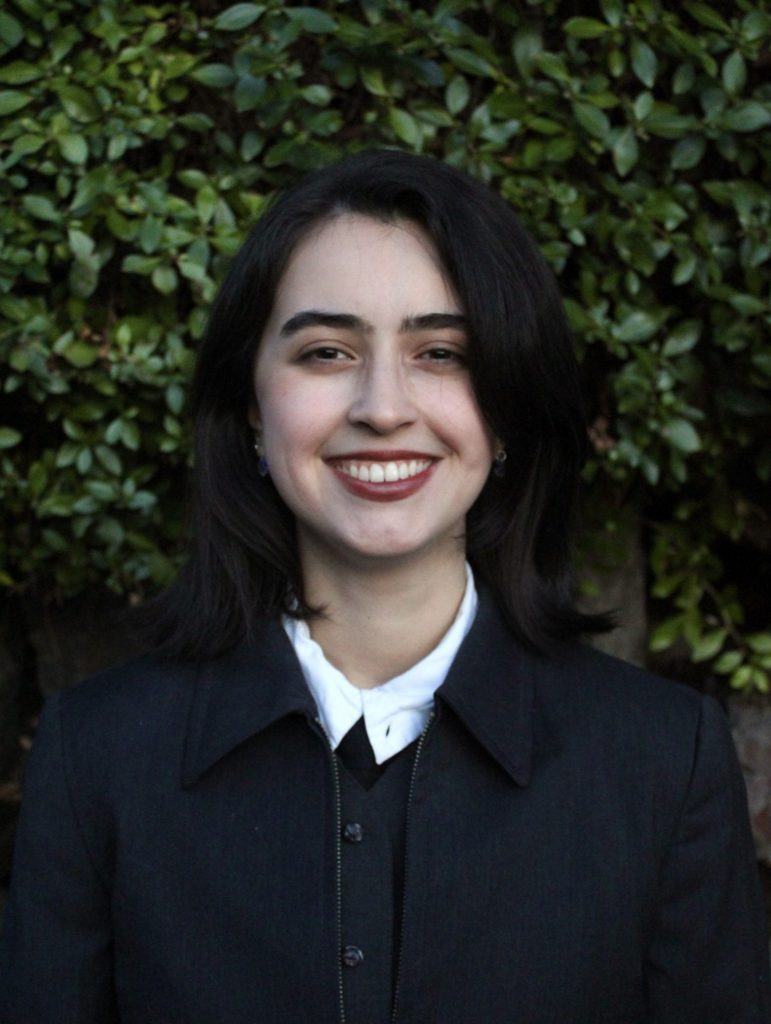
I earned my Bachelor of Science in Cellular, Molecular, and Developmental Biology, and while I initially expected to pursue clinical practice, I became increasingly motivated to understand the root causes of health inequities and systemic barriers. That shift in focus ultimately led me to public health and policy.
Before starting my MPH, I worked in clinical settings where I saw firsthand how gaps in healthcare delivery affect patient experiences and outcomes. Those experiences shaped my commitment to strengthening the connection between healthcare delivery and improved health outcomes, ensuring that system design and policy support equitable, effective, and patient-centered care.
My practicum and capstone examine how insurance policy design influences access to preventive services, particularly within maternal and child health. Through this work, I aim to identify strategies that make policy implementation more equitable and responsive to the diverse needs of communities.
Looking ahead, I hope to help strengthen healthcare systems and advance policies that expand access, promote equity, and improve health outcomes. I’m driven by the belief that thoughtfully designed systems and policies can transform healthcare into a more responsive, inclusive force that truly serves all people. By bridging my clinical foundation with policy, I aim to create meaningful change at the intersection of healthcare delivery and population health.
Contact Sabrina Shaffer: sms76@uw.edu
HSPop MPH Social and Behavioral Sciences Track Ambassador
Mikyla Sakurai
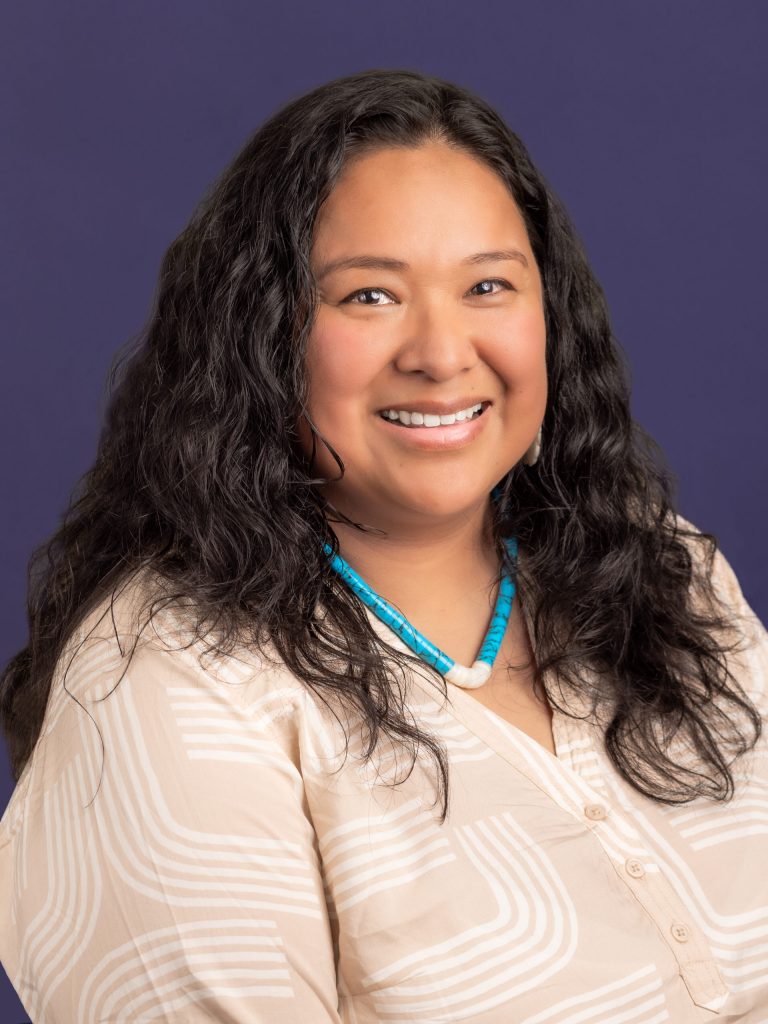
I am Diné/Navajo and Palauan, originally from Phoenix, Arizona. I earned my bachelor’s degree from UW Bothell with a major in Health Studies and a minor in Policy. My work after my undergraduate degree focused on chronic disease prevention in urban American Indian/Alaska Native (AI/AN) communities, methods of decolonizing grantmaking, and increasing Indigenous representation in the public health workforce. My decision to pursue a graduate education was influenced by my mom returning to college to earn her master’s degree, the support and encouragement of friends and mentors, and my son.
I am enrolled in the dual degree program, pursuing a concurrent Master of Social Work in Community Centered Integrated Practice and a Master of Public Health in the Health Systems and Population Health department with a concentration in Social and Behavioral Sciences. I chose to apply to both programs to have an interdisciplinary approach to my work and to gain skills and experience in research, program evaluation, group facilitation, and community organizing.
My areas of interest include community-based participatory research, Indigenous identity and mental health, curriculum that is inclusive and representative of Pasifika and AI/AN peoples, and culturally grounded health promotion. My goal is to graduate in 2026 and continue to work with both AI/AN and Pasifika communities.
Contact Mikyla Sakurai: mikylaj@uw.edu
HSPop MS Generalist Track Ambassador
Griffen Allen
I am originally from Georgia though completed my undergraduate in study in philosophy at Colby College in Maine prior to returning to complete my M.D. at the Medical College of Georgia.
Currently, I am a general surgery resident at the University of Washington, and as part of my training program, I’m completing a two-year post-doctoral research fellowship. I am thus currently a fellow at the Department of Surgery’s Surgical Outcomes Research Center (SORCE), which offers me the opportunity to obtain a Master of Science in Health Systems and Population Health. My MS has enabled me to expand my knowledge base in statistics, study design, health economics, and advanced research methods in outcomes and health services research.
After completing the remainder of my clinical training in general surgery, I intend to complete a fellowship in colorectal surgery with a goal to practice as an academic colorectal surgeon. My research interests are surgical outcomes in emergency general surgery and colorectal surgery as well as health services and cost-effectiveness research. Specifically, I focus on clinical and economic outcomes of the non-operative management of appendicitis, perineal reconstruction, and benign anorectal disease. Methodologically, I am interested in EMR-based retrospective cohort studies, claims and administrative data, quasi-experimental approaches to confounding in retrospective studies, and cost and economic analysis. My thesis is focusing on a cost effectiveness analysis of the Comparison of Outcomes of Antibiotic Drugs and Appendectomy (CODA) trial.
Contact Dr. Griffen Allen: giallen@uw.edu
Together, these eight ambassadors reflect how public health training can be applied across populations and career stages. The Health Systems and Population Health MPH and MS programs are grateful to these ambassadors for sharing their backgrounds, goals, and the public health issues they’re most passionate about.