
In the U.S., children with autism face significant barriers in receiving diagnoses and support. One study estimated that 83 percent of counties in the U.S. lacked any diagnostic resources for autism.
Bridging that gap for children with autism has long been a passion for Pooja Manjunath, a Master of Public Health – Health Systems and Policy student at the University of Washington School of Public Health. During her practicum experience with the UW Autism Center, Manjunath analyzed autism diagnoses disparities and recommended ways for the Center to expand services across the state.
“Public health is very interconnected with autism care,” said Manjunath, who is a student in the Department of Health Systems and Population Health. “It’s not just a clinical issue, it requires equity, access, and system navigation.”
Providing support resources to back up direct care
The UW Autism Center supports autistic individuals and their families, caregivers, and community through clinical services, research, and consultation. Annette Estes, the Center’s director, remembered years ago presenting the Center’s work at a state-wide meeting and learning that no one was familiar with how many people with autism lived in the state or what type of resources they had access to. That led the Center to create the AS360 website which connects families to autism resources in Washington, including autism assessments, health providers, and play groups for children.
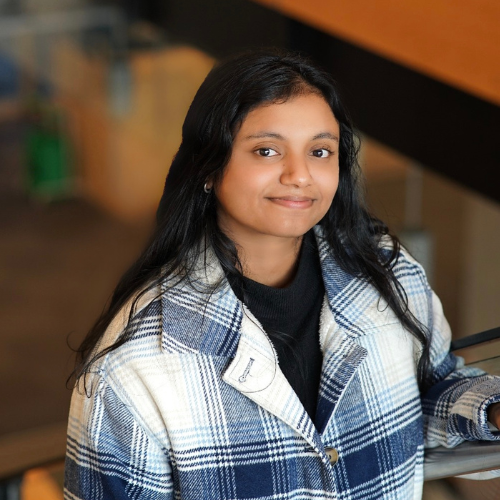
Manjunath worked on two projects for the Center: a literature review to understand autism care disparities and a gap analysis for the AS360 website. Manjunath identified areas where there were service clusters or resource deserts and analyzed how people were using the website to recommend improvements.
Understanding these service deserts is important so the UW Autism Center or other local organizations understand where to focus their outreach, so families who most need care can access it.
Across Manjunath’s work, she found that geography was one of the biggest barriers to care access; rural families faced longer wait times than urban families and had to commute much farther to find care. Many areas in the state don’t have early intervention services, making it challenging to reach young children.
“Autism care is shaped deeply by geography, so a lot of rural families wait years to access services or get a diagnosis,” Manjunath said. “But resources like AS360 do exist, and it’s important to get the word out to the community.”
Manjunath recommended ways to help the Center grow AS360’s reach, such as by partnering with health departments or schools to share it as a resource and improving the website design based on Manjunath’s analysis of how users navigate the site. Her recommendations are being used by the UW Autism Center team as tasks to improve the AS360 website and expand its reach for families across the state, Estes said.
Impact of student practicum efforts
“It’s so amazing to have students from public health who can take a step back and think about the bigger picture, who have time and training and classwork to be able to think about how this resource database fits into the larger ecosystem of services,” Estes said.
Manjunath has long been aware of disparities in accessing autism services. She had friends who weren’t diagnosed with autism until adulthood, which meant they didn’t receive the support they needed in school until their undergraduate years. Those experiences have inspired Manjunath’s interest in expanding access to care.
Her journey to public health began while earning her undergraduate degree in biology and chemistry in Canada. Manjunath considered attending medical school but soon realized she wanted a career focused on the community and policy aspects of health. When searching for public health graduate schools, she appreciated the innovation at UW.
“I wanted to build a public health career in a place that treats equity as a shared responsibility, and not really as an afterthought,” Manjunath said. “UW has a really good reputation for interdisciplinary collaboration, which is something I was looking forward to when I moved here for grad school.”
Manjunath said that post-graduation, she is eager to work with communities on strengthening their access to care, particularly neurodivergent communities.
“The practicum helped me clarify that I want to build a career on strengthening equitable access to care,” Manjunath said. “I would love to work in the intersection of policy and community partnerships.”