
We are delighted to share the bios of the current students of the UW Health Services PhD program in the Department of Health Systems and Population Health within the School of Public Health.
Student bios are divided by their area of emphasis.
Evaluative Sciences and Statistics
Lyra Cooper
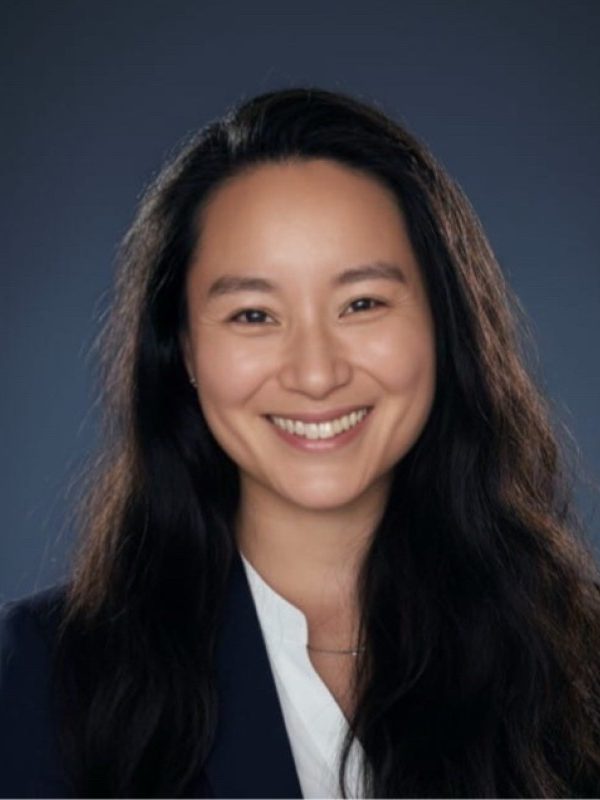
Lyra, who began the PhD program in 2025, is interested in the intersection of behavioral and primary health care and social support systems for historically marginalized adolescents and young adults. Her research interests include mental health, substance use, and health-related social needs, with a particular focus on care integration, linkage to services, and mixed methods evaluation.
As a health research analyst at Mathematica, Lyra evaluated various interventions and policies focused on systems of care to improve behavioral health outcomes and address the social needs of underserved communities, including Medi-Cal-covered children and youth with mild to severe mental health disorders. She has had the privilege to investigate the implementation and impact of innovative county-level projects, statewide initiatives, federal demonstrations, and national foundation portfolios.
Lyra received a Master of Health Science at Johns Hopkins University Bloomberg School of Public Health, where she researched the effectiveness of local harm reduction strategies and statewide opioid overdose prevention policies.
Growing up in the San Francisco Bay Area, Lyra enjoys hiking, playing soccer, reading historical fiction and fantasy novels, tossing a frisbee, and trying out new restaurants.
Allyson Khau
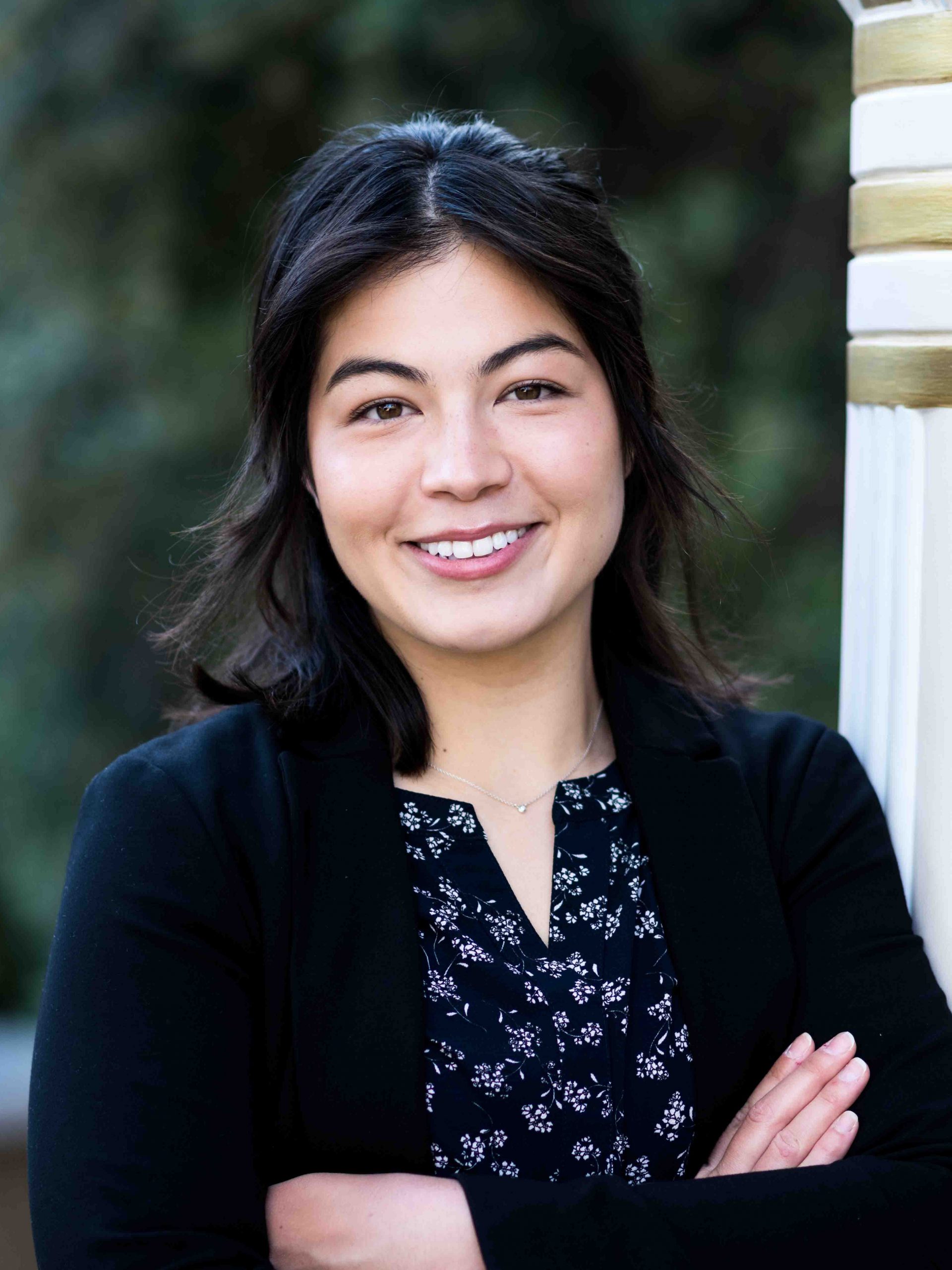
Allyson Khau is a PhD student in Health Services with research interests in health workforce development, health professions education, and program evaluation. She is particularly interested in how health professions education and workforce initiatives can be evaluated in terms of their responsiveness to community needs and their impact on community health outcomes.
Her interests were shaped by her prior work with the San Joaquin Valley Program in Medical Education (SJV PRIME) at the University of California, San Francisco. Created to address workforce shortages and health disparities in California’s rural San Joaquin Valley, SJV PRIME provides students with regionally based clinical training and opportunities to engage with community-based organizations throughout the region. Through supporting the design and implementation of the SJV PRIME curriculum, Allyson became interested in how place-based health professions education and community-engaged learning shape provider identity and the delivery of care in underserved communities, as well as how the broader impacts of these approaches can be meaningfully evaluated.
Ultimately, Allyson hopes to generate evidence that helps educational institutions, health systems, and policymakers identify and expand effective approaches to building a well-distributed health workforce that is responsive to community needs.
Allyson earned her Bachelor of Science from the University of California, Davis, and her Master of Public Health from San José State University.
Vincenzo Malo
Vincenzo (he/they) is a queer public health researcher interested in promoting healthy well-being among LGBTQIA+ communities through affirming, tailored, and inclusive health services. Their research explores how health systems can better address structural determinants of health through strengths-based frameworks and community-based practices.
They earned a Bachelor of Science in Neuroscience and Global Health and a Master of Science in Global Health from Duke University. During these programs, their research primarily explored psychosocial determinants of health care management among adolescents living with HIV.
Prior to joining the PhD program in 2025, Vincenzo worked as a public health analyst at RTI International, where they conducted evaluation-based research to advance public health messaging around tobacco prevention, healthy behaviors, and social support for adolescents. They also supported researcher engagement with the NIH’s All of Us Research Program and led investigations with All of Us data to better understand the health care experiences of LGBTQIA+ people.
Vincenzo aims to grow as a mixed-methods researcher through the Health Services PhD program to prepare them for a career as a research professor investigating facilitators of affirming, supportive, and holistic health care for LGBTQIA+ communities. Outside the doctoral program, they collaborate with the University of Delaware’s Queer Development Lab to characterize LGBTQIA+ socialization processes among queer and trans youth. Vincenzo also serves on the American Journal of Public Health’s 2026-2027 Student Think Tank team.
When not queering research, they enjoy playing board games, hiking, reading, and spending quality time with their loved ones.
Health Behavior and Social Determinants of Health
Miriana Duran
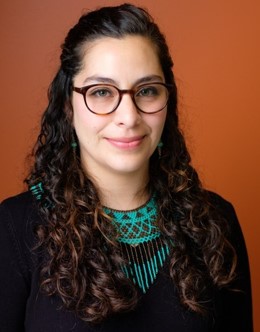
Miriana is interested in policies that improve childhood nutrition, reducing risk of chronic disease, mixed methods, structural determinants of health, and the Latino population.
A physician by training, she earned her MPH in Global Health at the University of Washington. She has broad experience in community based participatory research, health disparities research, and qualitative research. Topics have ranged from cultural adaptation of evidence-based programs for Latino caregivers of people with dementia, implementing evidence-based interventions for cancer prevention in rural Latino communities, and implementing a risk communication intervention in elementary schools in the Yakima Valley.
Currently, Miriana works as a part-time Research Scientist in the Department of Health Systems and Population Health, and as a Lead Trainer and Data Analyst at the Qualitative Research Core. She is working with Dr. Jessica Jones Smith on the FRESH study, which focuses on improving what is known about the equity and impact of fruit and vegetable incentive programs through the study of Seattle’s Fresh Bucks Program.
She is from Cuernavaca, the “city of Eternal Spring” and lived in NYC before moving to Seattle. Miriana loves spending time with her family, eating, sleeping, and traveling.
Leah Franklin
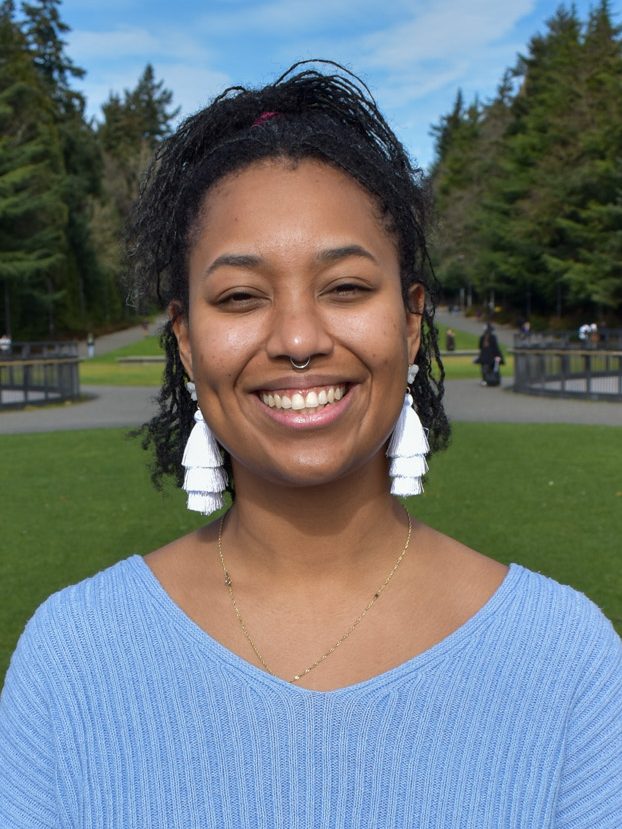
Leah discovered her passion for research while completing her undergraduate degree in Psychology at UMBC. Initially, her research projects focused on HIV stigma, Black maternal health, and health equity. However, she later dipped into cancer research while completing a post-baccalaureate program at the National Cancer Institute (NCI).
Before starting the PhD program in 2026, she earned a Master’s in Health Services with a concentration in Community Health, as well as a Master’s in Women and Gender Studies from Towson University.
Currently, she works as a Research Coordinator at the Gynecologic Research and Cancer Equity (GRACE) Center within the Department of Obstetrics and Gynecology at the University of Washington’s School of Medicine, led by Dr. Kemi Doll. In this role, she is a qualitative researcher serving Black women with endometrial cancer through various community-engaged research projects. She has had the privilege of interviewing many participants about their support experiences during treatment, which has inspired her to pursue this PhD to further examine dynamics of support within dyadic relationships during and after initial treatment, as lack of support is linked to adverse health outcomes.
As a California girl who found herself in the DMV area for over 15 years, she is excited to return back to the West. When she unplugs, you will likely find her asking people for their astrological natal charts (Leah: Cap Sun, Cap Rising, Libra Moon), practicing yoga, or playing video games (perpetually replaying BG3; Black Ops 2; and analog Nancy Drew games). She lives with her boyfriend, an unprincipled cat, and a community of plants.
Health Economics
Max Sgro
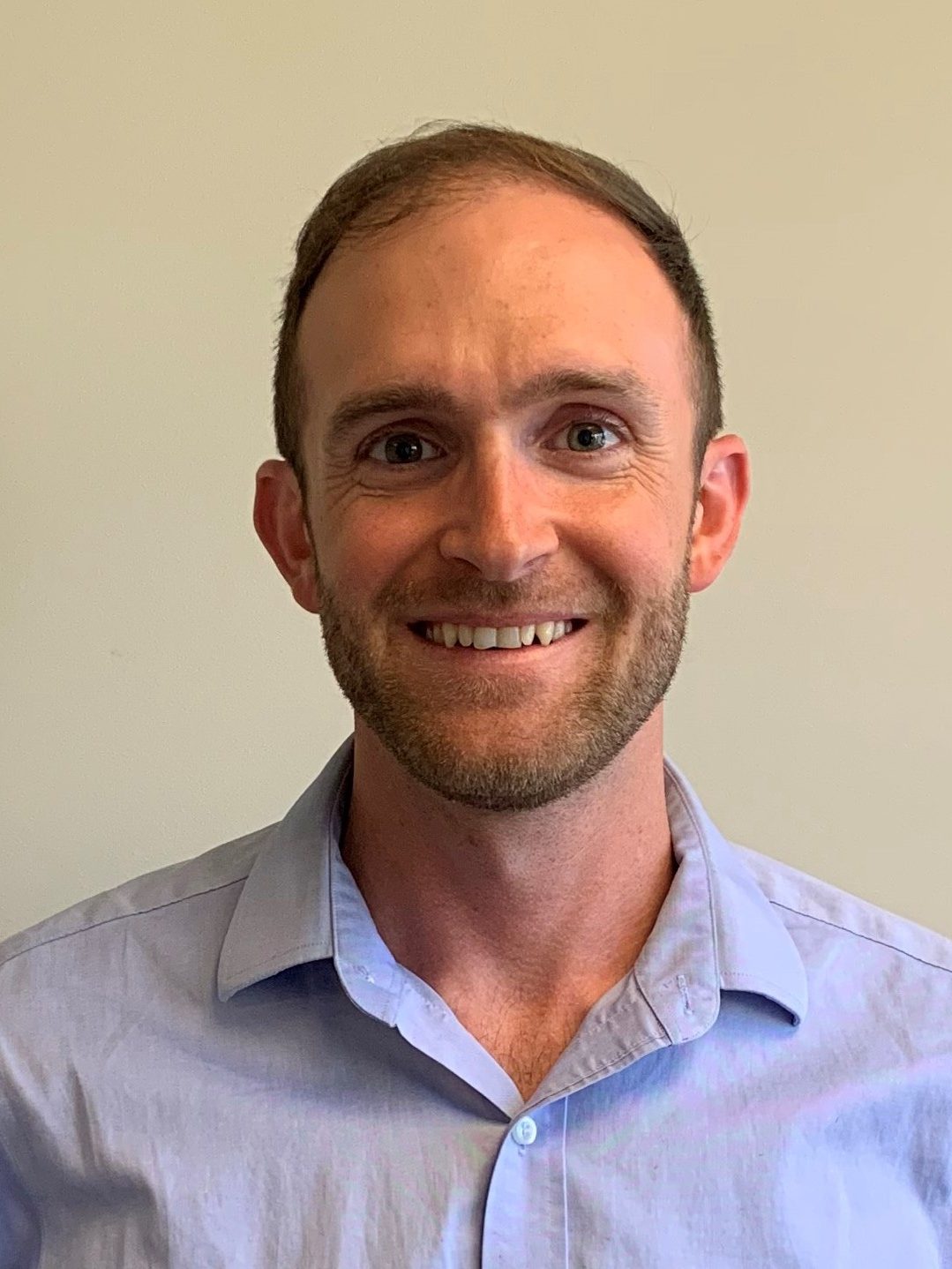
Max’s research interests are health economics and health financing, and he has over 6 years of federal and state health policy experience.
Before he joined the PhD program in 2020, Max earned a Master of Public Policy from UC Berkeley. There, his research focused on analyzing finances within California Hospitals and trends in the budget of the Medi-Cal program, specifically around supplemental payments. He has experience visualizing data to inform policy decision makers, with work in Excel, R, and Tableau. Max also worked in the Obama Administration to support Affordable Care Act Implementation and in the Office of Management and Budget to aid in the development and implementation of the federal budget for health programs.
He works as a Research Assistant with the Puget Sound VA Medical Center, where he is working on research into veteran provider preference in the Community Care program.
Originally from Cleveland Heights, Ohio—when not hard at work, Max can be found in the mountains.
Implementation Science
Quinn McVeigh
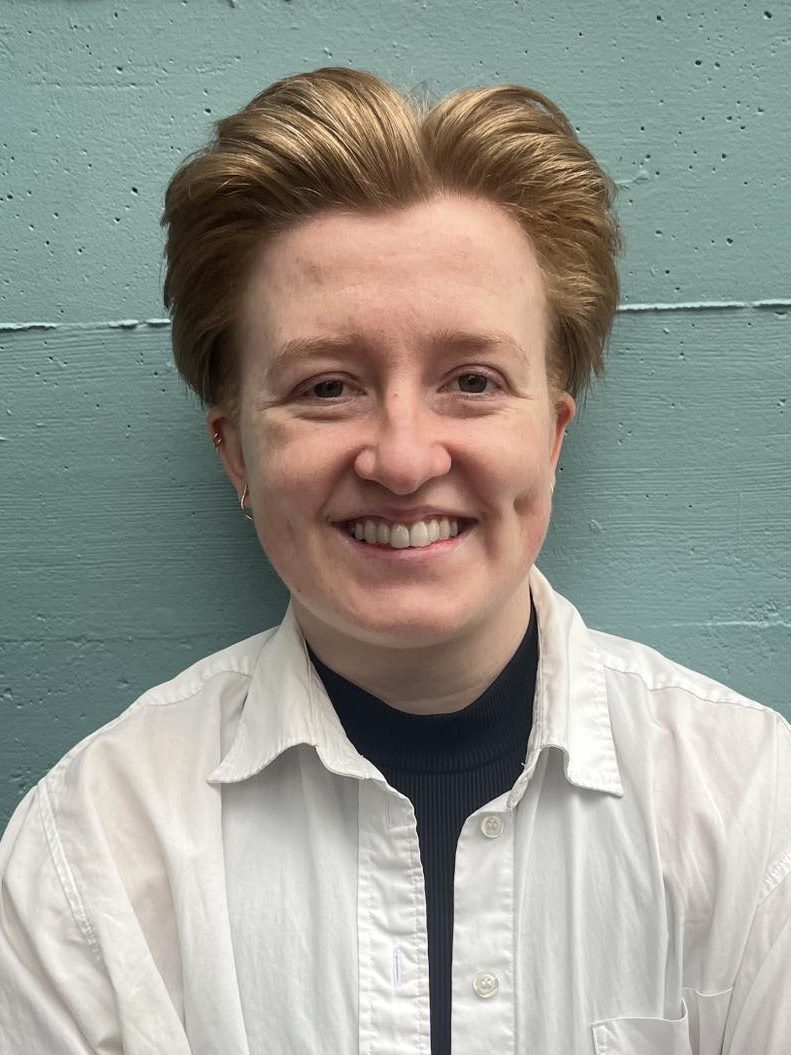
Quinn is interested in violence prevention, violence response, restorative justice, equity, transformative justice, sexual violence, and youth.
Before joining the Health Services PhD program, Quinn worked as a cancer biologist in Boston at the Broad Institute of MIT and Harvard. They researched acquired resistance to lung cancer therapies. They also worked with a team to understand inequities in tumor genome sequencing. They received their Bachelor’s degree in Biology from Carleton College in Minnesota. During their undergraduate studies, they volunteered as an advocate for the Carleton Advocates Against Sexual Harassment and Assault. While in Boston, they volunteered as a Medical Advocate in local emergency departments with the Boston Area Rape Crisis Center.
Quinn is currently an AHRQ T32 fellow. They are involved in research evaluating the language accessibility of Washington State civil protection orders for victims of domestic violence, sexual assault, stalking, and harassment. They are also conducting a study to characterize exposure to violence by intersectional identities.
Quinn was raised in Vermont. Outside of their research and studies, they play roller derby with Rat City’s Throttle Rockets.
Taylor C. Ryan
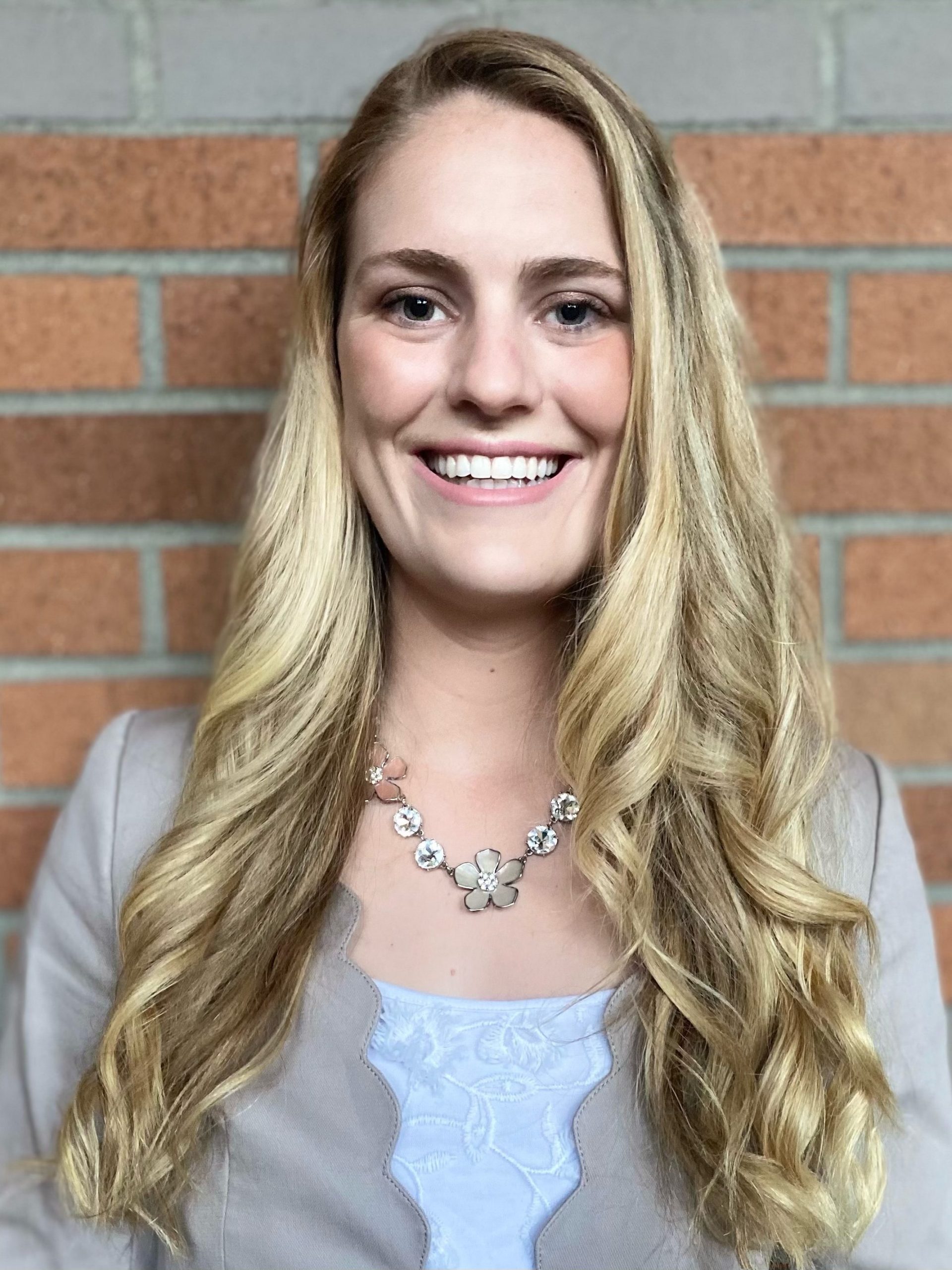
Taylor joined the Health Services PhD program in 2021, and her research interests includeyouth suicide prevention, mental health, and behavioral health care.
She earned her master’s degree in Human Development and Family Sciences and a bachelor’s degree in Human Services from the University of Delaware. Taylor spent two years at the Johns Hopkins Bloomberg School of Public Health working as the lead study coordinator for a SAMHSA funded project focused on improving mental health outcomes for youth seen in the pediatric emergency department for suicide risk. She also worked closely on a project focused on suicide risk screening for adolescents with neurodevelopmental disabilities and related disorders with colleagues at the Kennedy Krieger Institute. Following her time at Johns Hopkins, Taylor worked as an Evaluation Specialist for Forefront Suicide Prevention at the UW.
Taylor spent one year on the AHRQ T32 training grant, and also worked as a research assistant for the UW School Mental Health Assessment, Research, and Training Center (UW SMART Center). Currently, she works as a research assistant for Dr. Jenna van Drannen and her Research with Expert Advisors on Drug Use (READU) Team and with the King County Public Health School Based Health Center Partnership. She is writing her dissertation in collaboration with Dr. Julie Richards and the Kaiser Permanente Washington Research Institute.
She grew up outside of Philadelphia and loves spending time with family and friends, as well as her dog and horse.
Isabella Santangelo
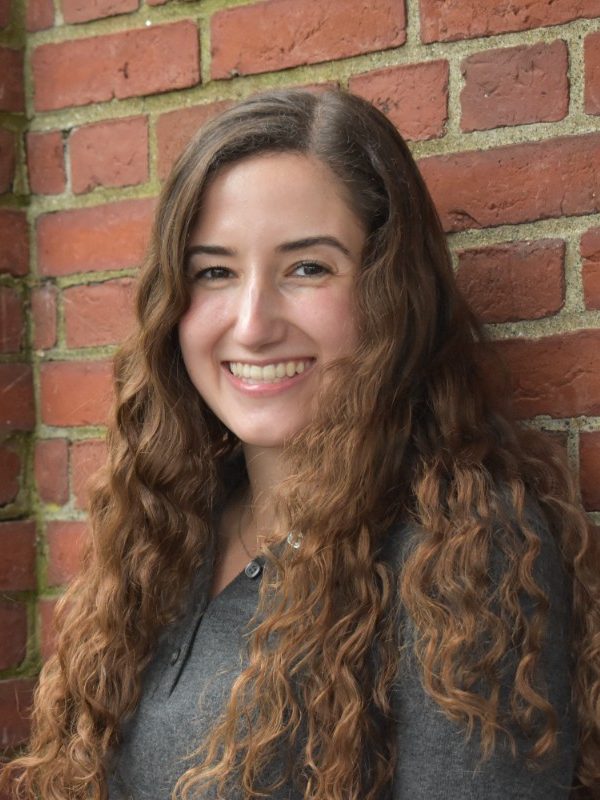
Isabella’s research interests lie at the intersection of health equity, implementation science, and policy evaluation. She is interested in using mixed-methods approaches to examine how healthcare systems can reduce disparities in care and ensure that evidence-based interventions are implemented in ways that make them accessible, scalable, and sustainable.
She joined the PhD program in 2026 after working as a Safety and Quality Specialist at Boston Children’s Hospital. There, she led the development of a Health Equity Quality Improvement Toolkit and partnered with interdisciplinary clinical teams across the hospital to identify and address disparities in pediatric patient care and outcomes.
Prior to that, she worked in Alzheimer’s disease clinical research and earned her MPH in Behavioral, Social, and Health Education Sciences from Emory University, experiences that sparked her interest in addressing the systemic barriers that limit equitable access to high-quality care.
Outside of research, Isabella enjoys thrifting and upcycling, writing, and working with polymer clay. She is also looking forward to exploring Seattle and welcomes recommendations for live music and scenic walking routes!
Ashlyn Tom
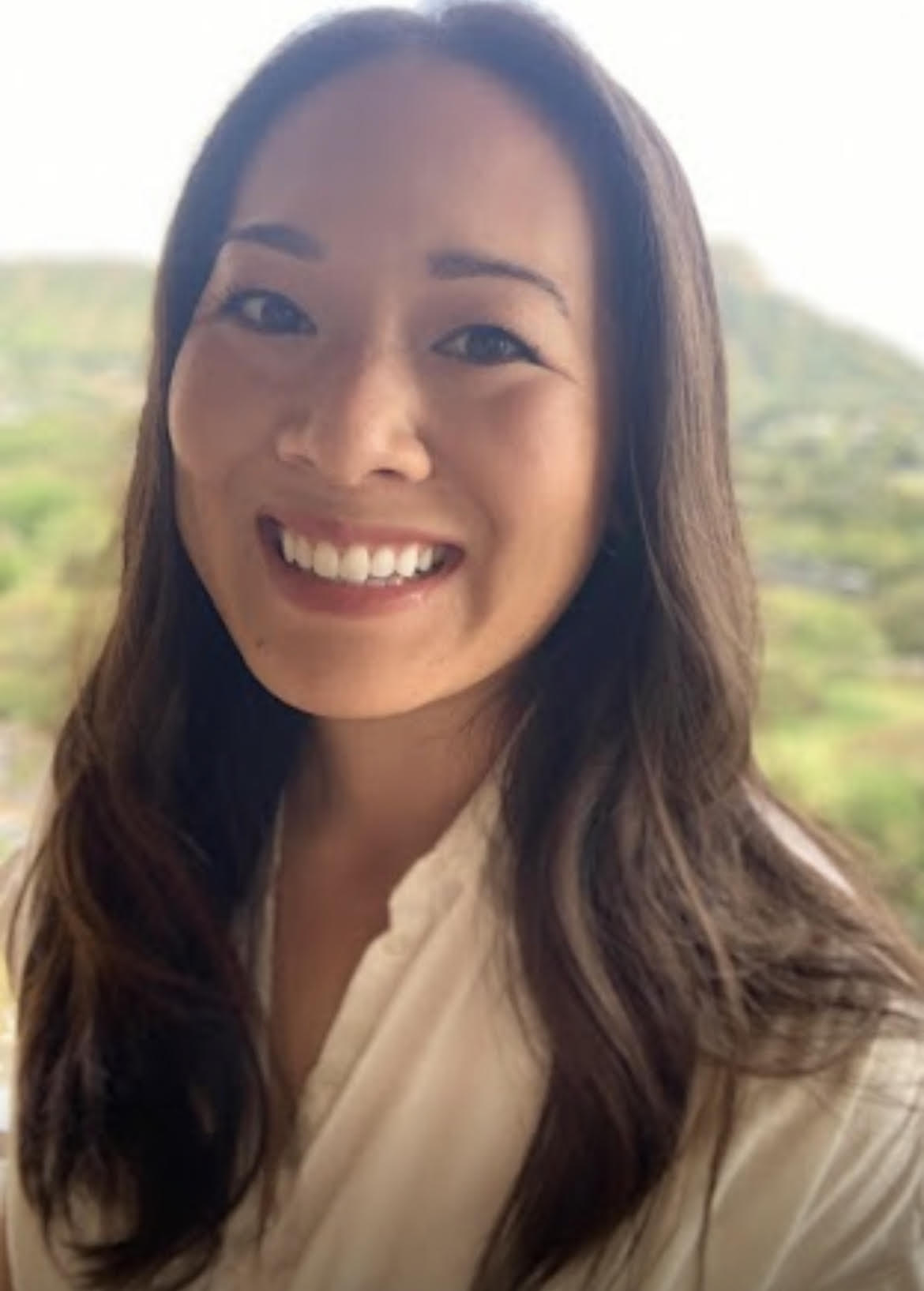
Ashlyn is passionate about promoting health and language equity, analyzing healthcare policies and their impact on marginalized groups, and improving communication and community partnerships to advance access to care. Her current research is working to understand the impact of racially, culturally, and linguistically concordant patient navigation on patient outcomes during cancer care. Her Area of Emphasis is Implementation Science.
Prior to entering the doctoral program in 2021, Ashlyn earned her MPH from Johns Hopkins Bloomberg School of Public Health and holds a bachelor’s degree in Anthropology with a double minor in Chemistry and Public Policy from New York University. After completing her MPH, she contributed to several projects advancing cancer clinical care, evaluating healthcare performance, and improving the implementation of health promoting policies while working in research at Memorial Sloan Kettering Cancer Center, The University of Hawaii Cancer Center, and as a Policy Analyst at the RAND Corporation. She is originally from Hawaii.
Ashlyn is a prior recipient of the AHRQ/NRSA T32 training award for 2021 – 2023 and a current NCI BCPT Pre-doctoral Fellow for 2023 – 2024.
Occupational Health
Daphne Guiselle Gallegos-Klinefelter
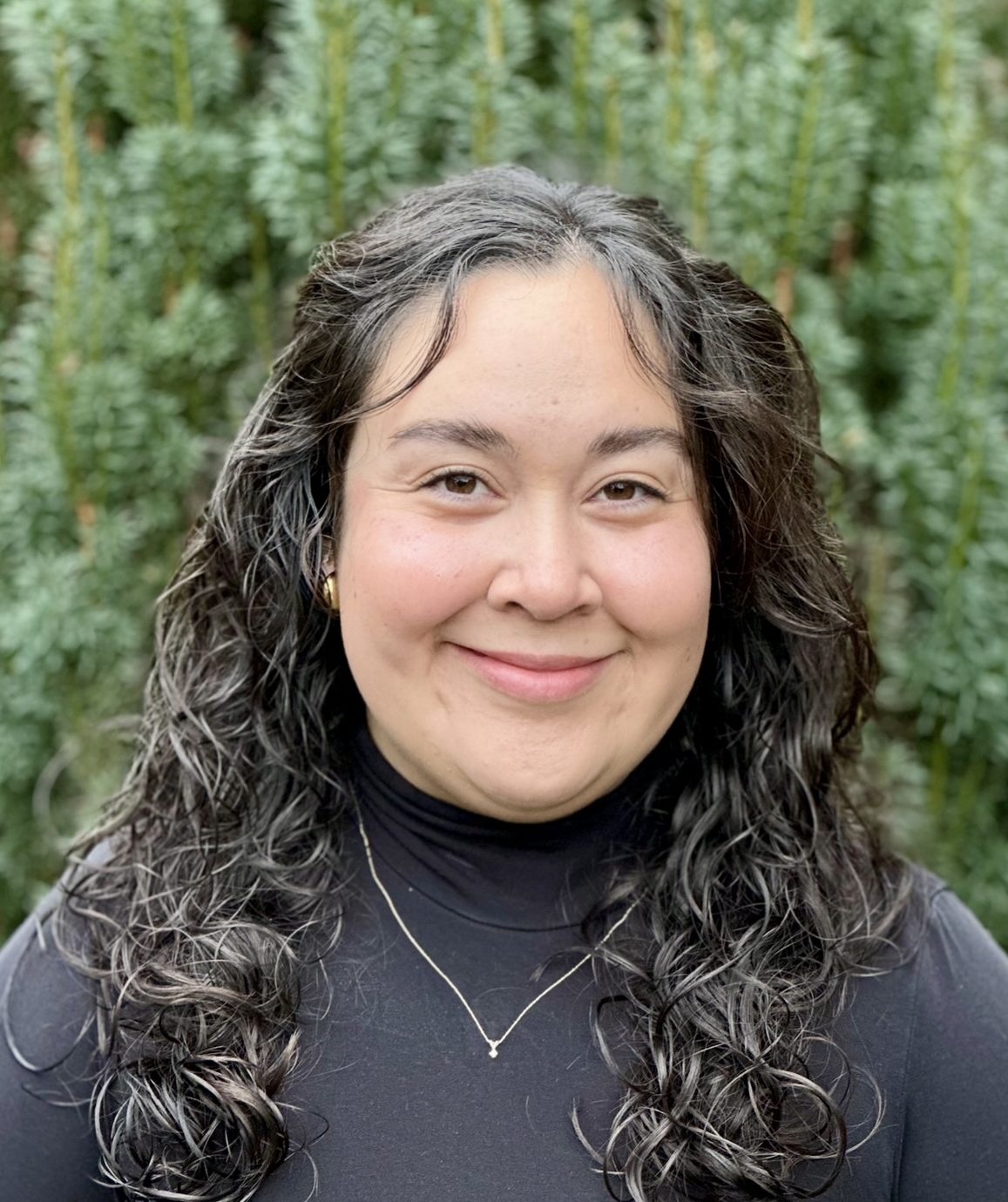
Daphne’s research interests include sex work, gig work, day labor, migrant populations, Latine populations, adult sexual health education, decolonizing sexual health education, migrant field-workers, firearm harm reduction, and racism as a chronic exposure.
Daphne joined the PhD program in 2024. Prior to this, she earned two BA’s at Whitman College, one in biology and one in French language and literature. Then she earned her MPH degree from the University of Puget Sound.
Her professional experience includes working as an advocate for domestic violence and sexual assault victims at the YWCA in Walla Walla, WA. She also interned for Covid Health Equity project at the Assessment, Policy Development & Evaluation Unit at Public Health Seattle & King County; and was a public health educator and child fatality review coordinator at Benton-Franklin Health District in Kennewick, WA.
She’s funding her doctoral studies as a NIOSH-supported Occupational Health Services Research predoctoral trainee, a Gates Millenium Scholar, and a Latino Center for Health Fellow.
Daphne is originally from Walla Walla. Professionally, she’s interested in qualitative methods, community-engaged participatory research, decolonial research methods, mentorship, decolonizing professionalism in academia. Personally, she’s interested in all things spicy foods.
Sydney Spencer
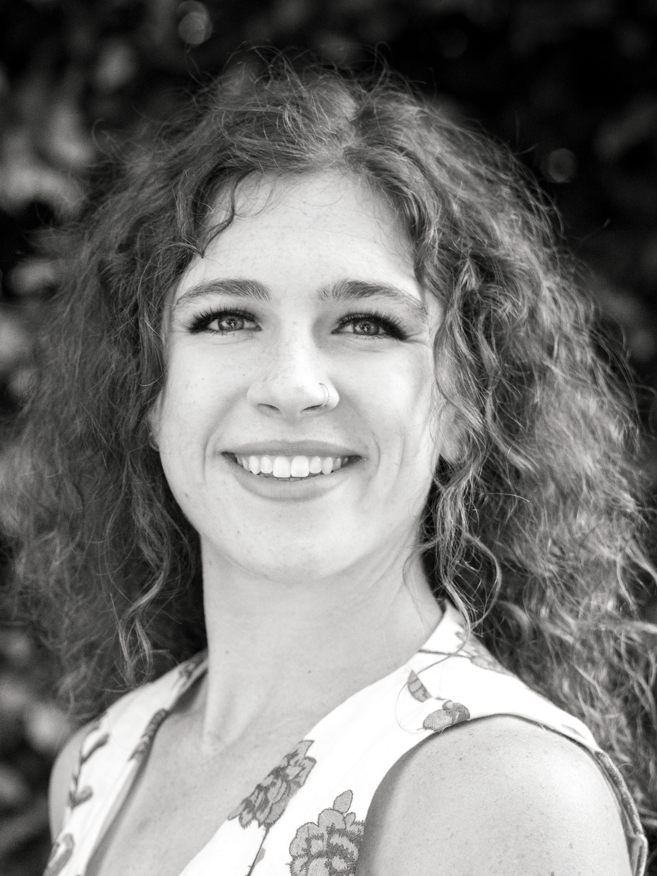
Sydney is interested in the intersection between maternal and occupational health including how workplaces support birthing people during and after pregnancy. Additionally, her research areas include social determinants; structural racism; sexual and reproductive health; and mental health.
She began her professional career in public health during the COVID-19 pandemic leading community engagement efforts with Seattle-King County Public Health and local health systems to increase vaccine access for marginalized populations in the Puget Sound area.
Prior to joining the Health Services PhD program in 2023, Sydney worked on the Occupational Health, Safety, and Research team at Microsoft where she led implementation and evaluation efforts for the company’s employee health and wellness programs.
Sydney has a BS in Public Health from George Washington University and an MPH in Community Health Sciences from the University of California Los Angeles.
She is a NIOSH-supported Occupational Health Services Research predoctoral trainee. Outside of school, she leads a cross-sectoral partnership with a local health system, multinational employer, and regional insurer to prevent chronic conditions in pregnancy.
Originally from Seattle, Sydney enjoys hiking, climbing, yoga, and reading.
Nicole Stankovic
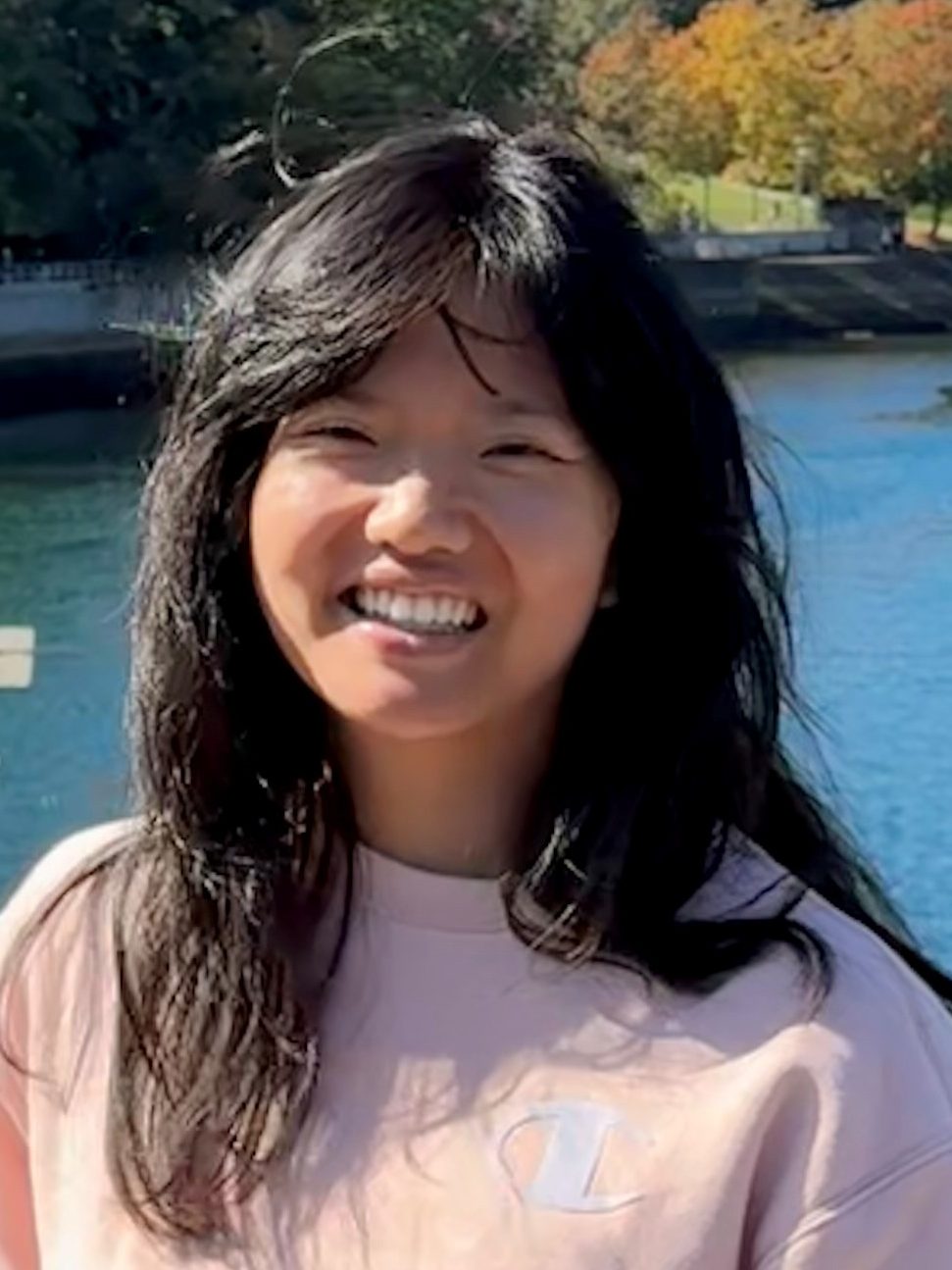
Nicole, who joined the PhD program in 2026, is a public health researcher and Research Coordinator at the University of Washington School of Public Health.
Originally from Park City, Utah, she works on Dr. Hendrika Meischke’s R01 study focused on improving emergency communication and care for people with limited English proficiency, particularly during 9-1-1 calls. Drawing on her experience as a certified Mandarin medical interpreter and EMT, her research interests include health equity, health communication, and occupational health.
Nicole is also a bartender and pianist, experiences that contribute to the interdisciplinary perspective she brings to her research, teaching, and community work. She earned a Master of Public Health in Health Systems and Population Health and a Master of Music in Piano Performance from the University of Washington, where she also completed her undergraduate studies in chemistry and piano performance.
Training in Enhancing Structural Solutions for Addictions (TESSA)
Madeleine Bentley
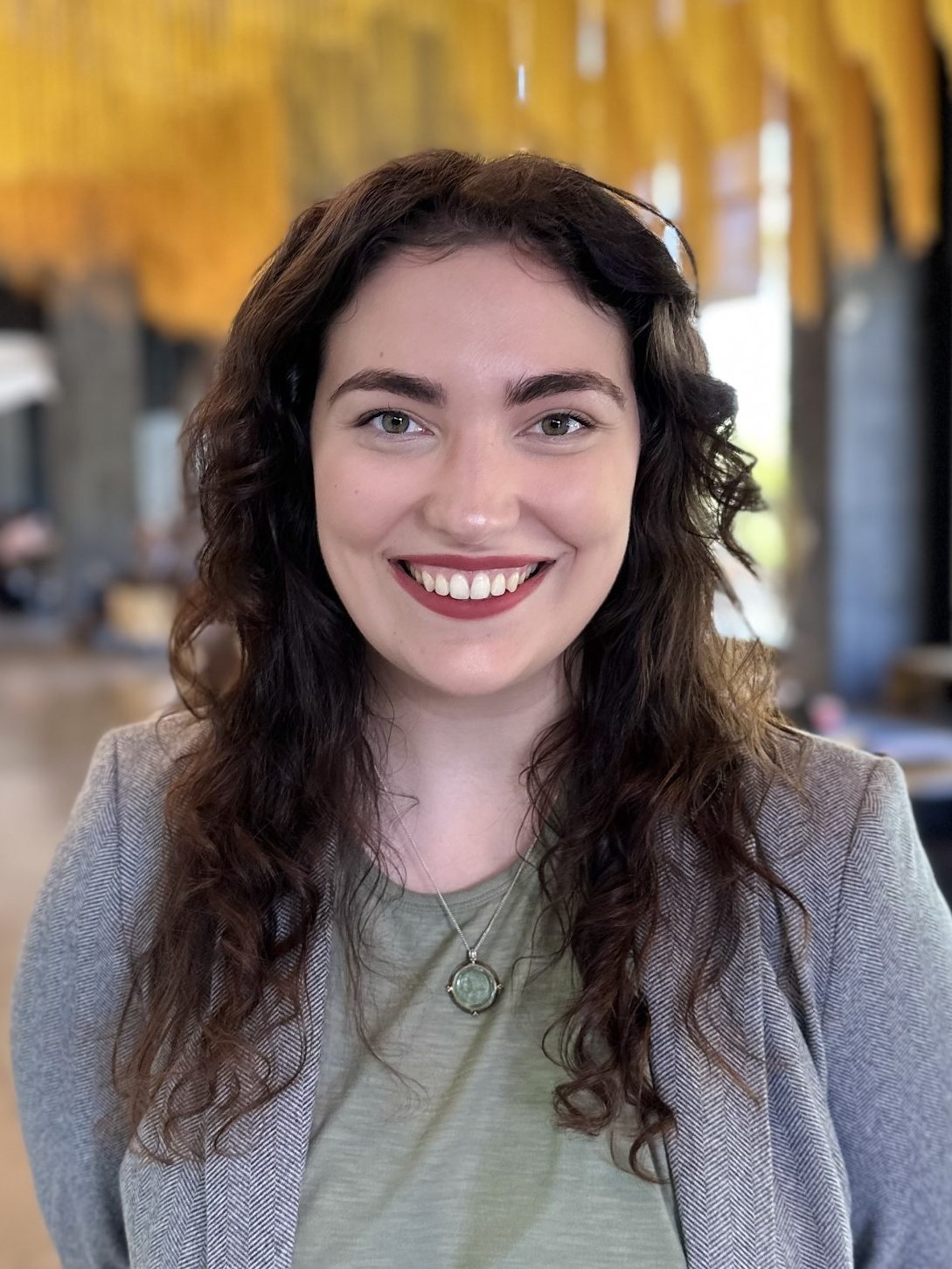
Madeleine is a community-engaged researcher and addiction scientist, interested in the co-design and implementation of interventions that mitigate harms related to alcohol and polysubstance use for people living with HIV as well as Veteran, LGBTQ+, and Indigenous communities.
Prior to entering the program in 2026, she trained in narrative medicine and ethnography at Lewis & Clark College, culminating in a Bachelor of Arts in Sociology-Anthropology. She then worked in adolescent mental health as a group facilitator of dialectical behavioral therapy and co-led an LGBTQ+ staff/client alliance.
While completing her MPH in Community-Oriented Public Health Practice at UW, she returned to research and collaborated with over thirty universities to devise a harm reduction framework for college campuses. Madeleine stayed on after graduation as a research assistant and now manages the implementation arm of the nationwide Alcohol Research Consortium in HIV (ARCH) study. She also supports the codesign of a contingency management program aimed at strengthening cultural connections for adolescents and young adults in the Quinault Indian Nation.
She grew up in the Seattle area and is dedicated to pursuing research that is created alongside and for our communities. When not in research mode, she loves playing board games, experimenting with new recipes, and spending as much time as she can either on or in the Puget Sound.
Ohshue S. Gatanaga
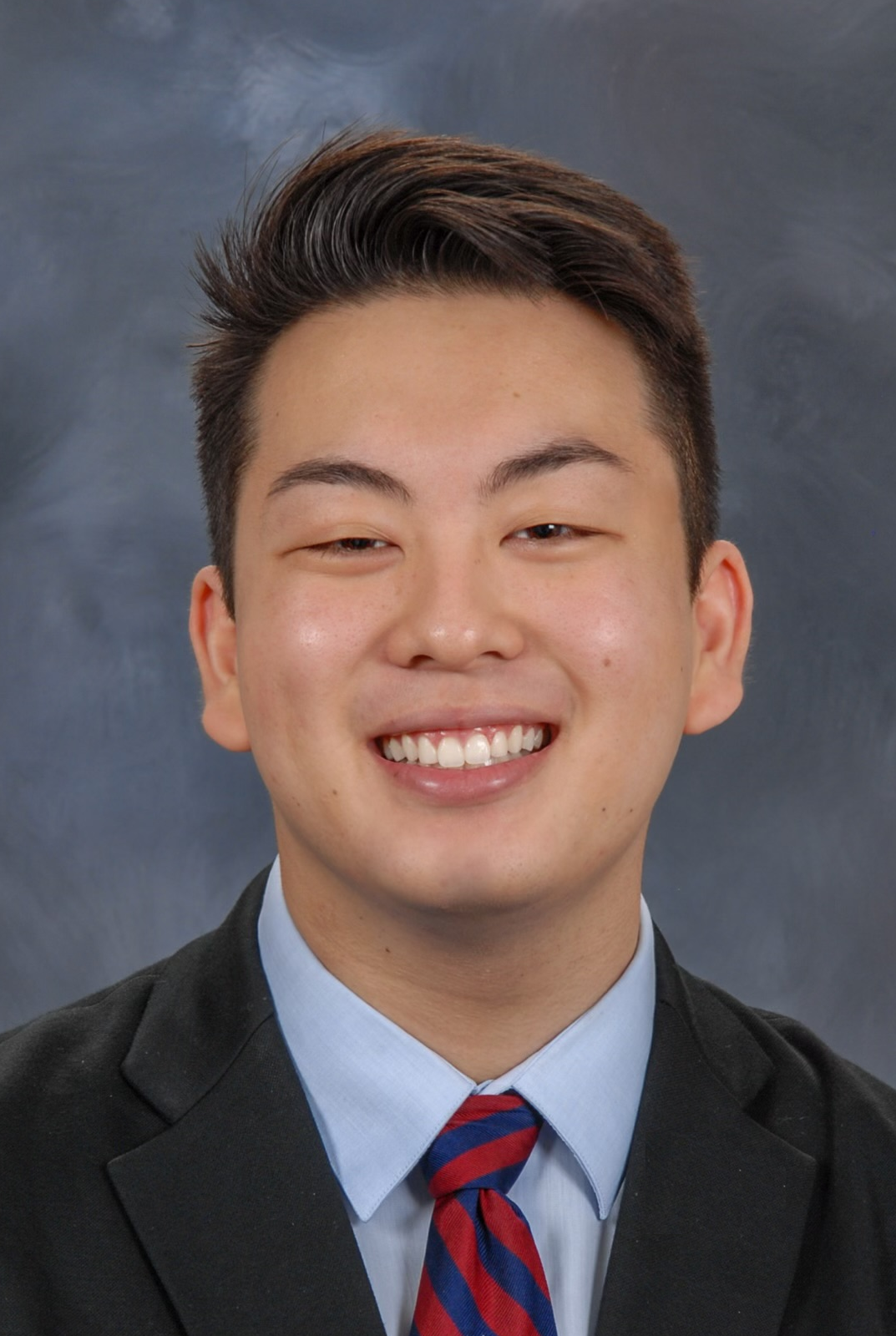
Ohshue’s research interests include health equity, substance use disorders, mental health, community-based participatory approaches, structural and social determinants of health, HIV, syndemics, intersectionality.
He is an aspiring practitioner-scholar whose current research focuses on infusing syndemics and intersectionality theories to examine how communities with multiply-marginalized identities experience comorbid behavioral health, sexual health, and substance use-related health outcomes. He recently received his Master of Public Health and Master of Science in Social Work from Columbia University and acquired his foundational undergraduate training in sociology from Yale University.
Prior to entering the doctoral program in 2024, Ohshue conducted health disparities and implementation research focused on oral and long-acting injectable pre-exposure prophylaxis at the New York University Langone Health medical center and community-based substance use interventions at the Columbia Social Intervention Group. He also worked as a therapist-in-training at a Federally-Qualified Health Center serving LGBTQ+ communities in New York City.
Ohshue is currently supported by the National Institute on Drug Abuse Training in Equity and Structural Solutions in Addictions T32 training grant. He is currently a research assistant for Dr. Jenna van Draanen and works on several substance use-related projects. These include working alongside a community-advisory board (Research with Expert Advisors on Drug Use) that includes people with lived or living experience in substance use, the Overdose Response Centering Inequity and Diversity (ORCID) study, and the Community-Law Enforcement Aligning in Response to Substance Use (CLEARS) project. Additionally, he is affiliated with the Center for Studies in Demographic and Ecology and is pursuing an additional certificate in Demographic Methods.
In his free time, Ohshue enjoys lounging with his two cats (Mugi and Tom!) and cooking Korean and Japanese-inspired home meals for friends and family.
Theresa Hwee
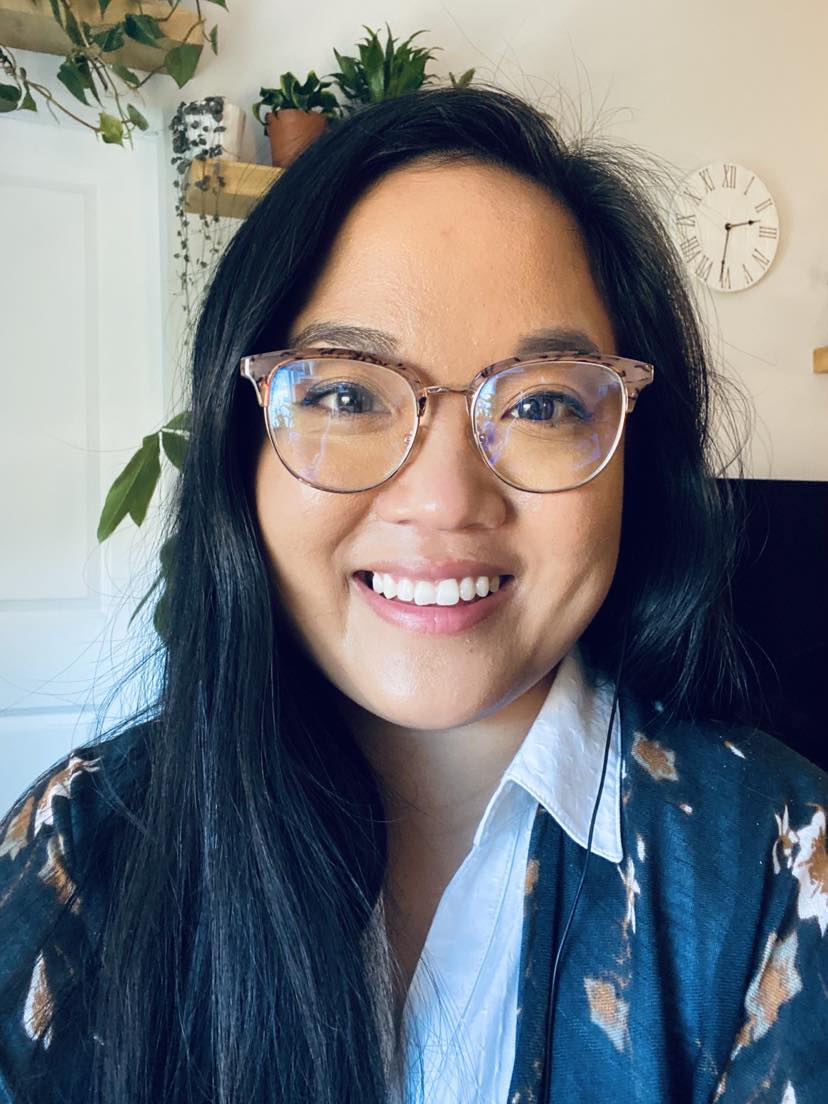
Theresa is interested in Maternal behavioral health, particularly perinatal mental health and substance use disorders, reproductive health, structural and social determinants of health, policy evaluation and reform, mixed methods, spatial methods, and social epidemiology.
Prior to joining the Health Services PhD program in 2023, Theresa was a senior analyst at the National Committee for Quality Assurance (NCQA), where she led the development and evaluation of cardiovascular HEDIS quality measures and provided subject matter expertise to various stakeholders on measure specifications. She also supported foundation grants and federal contracts focused on identifying and addressing gaps in care, including in chronic kidney disease and behavioral health. Prior to NCQA, she supported public policy, advocacy, and communications efforts as an analyst at the National Marrow Donor Program and was an elementary school tutor in the AmeriCorps volunteer program.
Theresa is currently supported as a predoctoral fellow by the National Institute on Drug Abuse Training in Equity and Structural Solutions in Addictions T32 training grant. She currently supports projects focused on low barrier care for substance use treatment, implementing perinatal mental health screening, and evaluating perinatal substance use reporting policies.
Originally from Minnesota, Theresa enjoys road trips, learning to ski, camping and hiking in state and national parks, hanging out with her doggo, stumbling upon good coffee shops and bakeries, and rewatching Lord of the Rings for the nth time.
Sam Janson
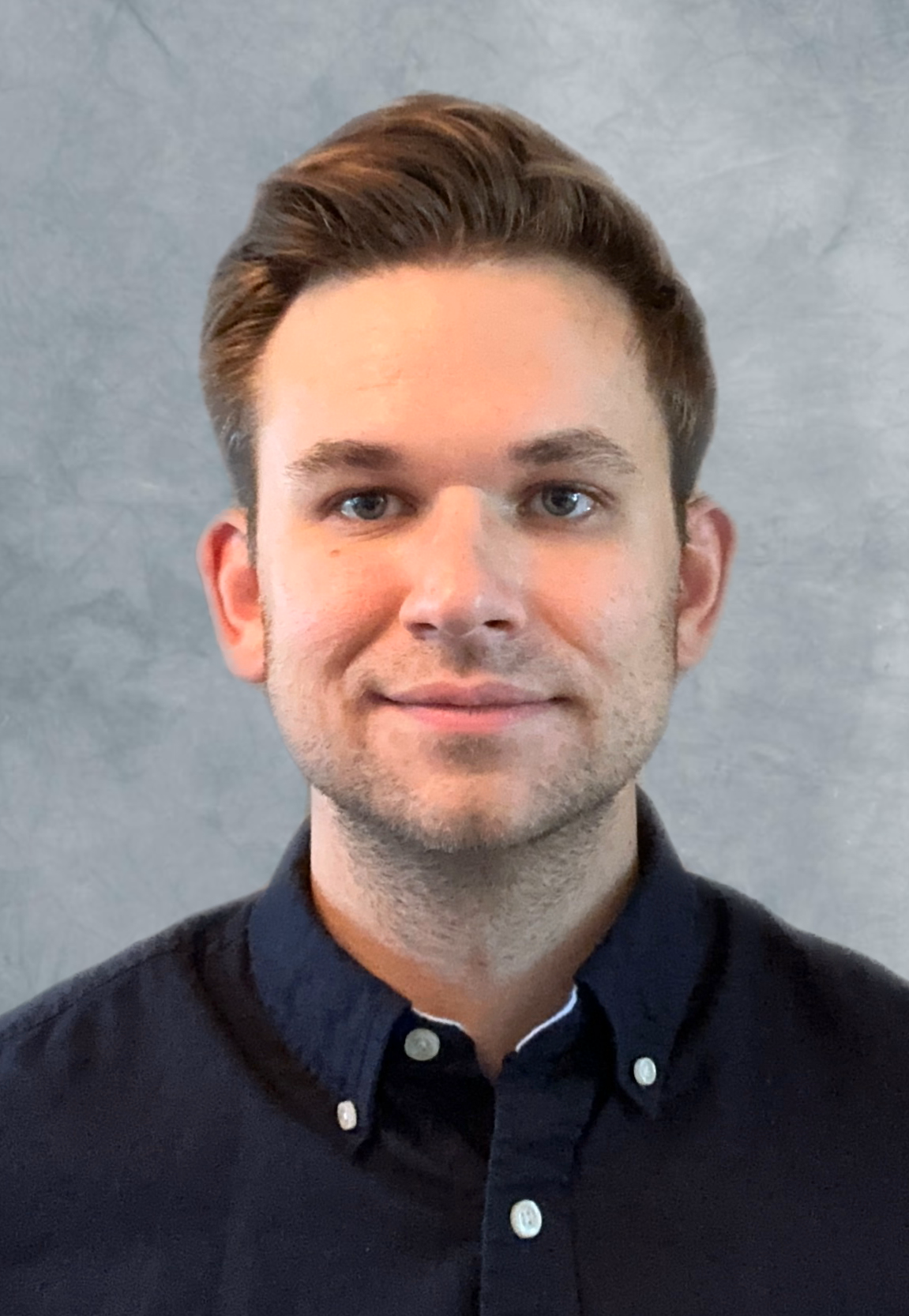
Sam’s research interests lie in substance use and associated diseases across diverse populations in both the United States and abroad. He has conducted HIV and substance use research both in the United States and Tanzania and is particularly interested in the evaluation of substance use treatment programs and psychosocial interventions for harmful substance use.
Prior to joining the Health Services PhD program in 2024, Sam completed a Bachelor of Arts in Political Science and Master of Public Health at George Washington University in Washington, DC with a focus on Global Health Program Design, Monitoring, and Evaluation. Sam has worked in a variety of nonprofit and research settings, including in domestic refugee resettlement, community health promotion in Tanzania, and in outreach to homeless youth in his home state of New Hampshire.
Sam is currently funded through a NIDA T32 traineeship. He is a Research Assistant for the Addictions, Alcohol, and Drug Institute (ADAI), and is a consultant for ongoing clinical trials based in Tanzania and Nigeria.
In his free time, Sam enjoys travelling, reading, hiking, running, and occasionally winning at backgammon.
L. Sarah Mixson
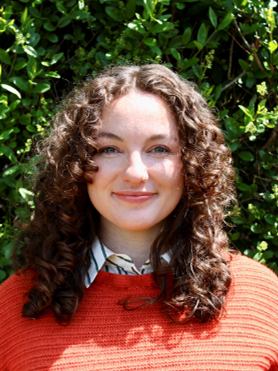
Sarah is a public health researcher committed to improving health outcomes for people who use drugs, with a focus on structurally marginalized communities, including people engaged in sex work or living in rural communities. Her work centers on substance use, infectious disease, and structural determinants of health, grounded in a decade of experience in applied epidemiology and harm reduction.
She previously worked in the immunization and infectious disease program for the Centers for Disease Control and Prevention in Anchorage, Alaska. During her MPH training at Johns Hopkins, she worked on the first US based longitudinal cohort study of women who sell sex. Most recently, she was the project director and lead research scientist for the NIDA-funded Rural Opioid Initiative. Her published work includes studies on emerging substance use trends, such as gabapentin use with benzodiazepines and opioids and commonality of multiple injections per injection episode in rural areas.
Sarah joined the PhD program in 2025 with support from the TESSA T32 training grant. In 2026, she received the 2026 CPDD NIDA Directors Travel Award. She is committed to conducting rigorous, community-informed research that uplifts the voices of people most affected by substance use and related harms.
In her free time, she enjoys spending time with her partner and their many animals (four cats and one dog), as well as crafting (embroidery, weaving, and block printing), baking, cooking, dancing, and watching reality television (anything on Bravo).
Carly Ritger
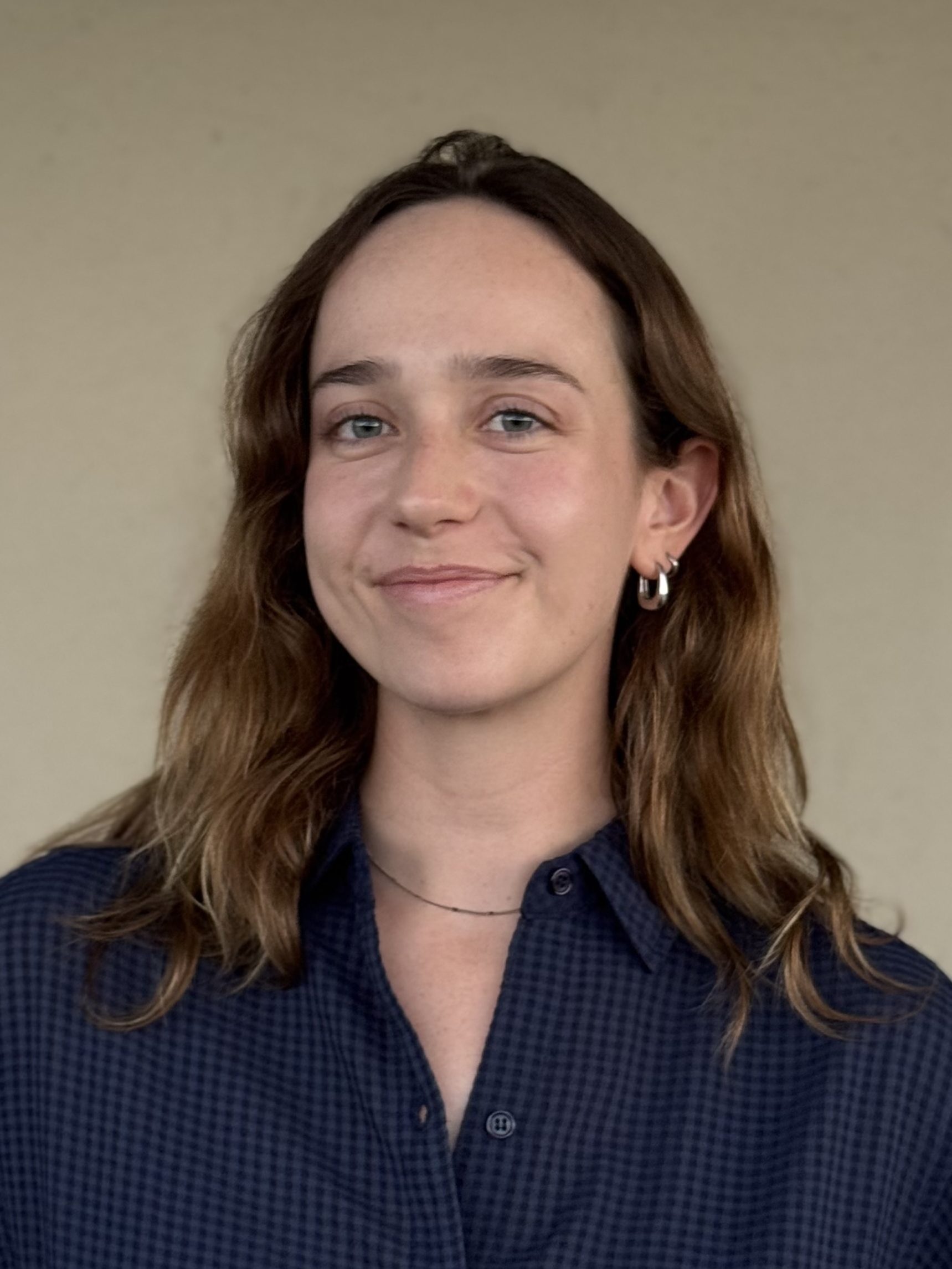
Carly is a health services researcher passionate about improving health outcomes for populations that have been harmed by US healthcare and criminal legal systems, and where policy changes can have a high impact.
Prior to joining the PhD program in 2026, she worked as a senior qualitative data analyst at the University of Colorado’s medical campus. Here she supported a wide variety of health services research studies that aimed to understand nuanced patient and clinician perspectives. In this role she gained extensive qualitative research experience, as well as experience in dissemination and implementation science and community-engaged research. As an analyst, Carly was involved in studies about barriers to and facilitators of initiating buprenorphine in the emergency department, structural conditions impacting health care access for people recently released from prison, and the impact of law enforcement presence on patients and clinical care in the pediatric emergency department, among many others. Before her time with the University of Colorado, Carly received a Master of Science in Medical Anthropology from Boston University in 2021, where she explored topics related to immigrant health and identity under restrictive US legal and social policies.
Carly is currently a predoctoral “Training in Equity and Structural Solutions in Addictions” trainee with support from the National Institute on Drug Abuse.
Carly grew up in rural Wisconsin and enjoys being outside, swimming, thrifting, and drinking good coffee. She’s excited to explore the PNW.